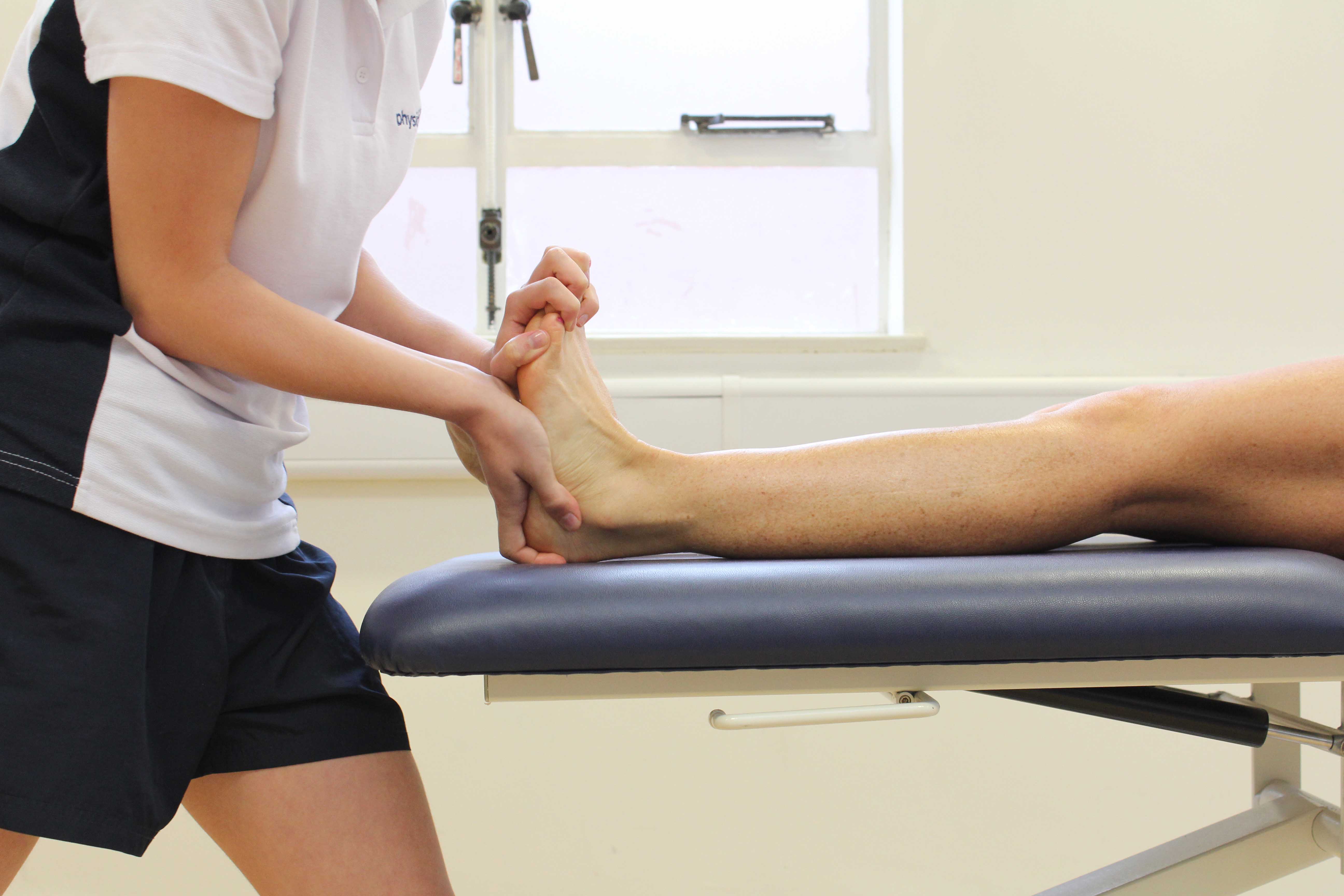
Foot & Ankle
Your feet and ankles bear your body weight with every step, making them vulnerable to injury and overuse. From acute ankle sprains to chronic conditions like plantar fasciitis, our physiotherapists provide expert treatment to restore function, reduce pain, and prevent recurrence.
The Root Cause
Common Causes
Foot and ankle problems typically develop from:
- Acute injuries like ankle sprains from sports or falls
- Overuse injuries from running or walking
- Poor footwear providing inadequate support
- Biomechanical issues affecting foot alignment
- Sudden increases in activity level
- Previous injuries not fully rehabilitated
- Age-related changes in foot structure

Diagnosis
Symptoms We Address
Foot and ankle conditions may cause:
Pain in the heel, arch, or ankle
Our assessment identifies and resolves pain in the heel, arch, or ankle to restore your quality of life.
Swelling and stiffness
Our assessment identifies and resolves swelling and stiffness to restore your quality of life.
Pain that's worse with first steps in the morning
Our assessment identifies and resolves pain that's worse with first steps in the morning to restore your quality of life.
Difficulty walking or standing for extended periods
Our assessment identifies and resolves difficulty walking or standing for extended periods to restore your quality of life.
Pain along the shin (shin splints)
Our assessment identifies and resolves pain along the shin (shin splints) to restore your quality of life.
Instability or recurrent ankle sprains
Our assessment identifies and resolves instability or recurrent ankle sprains to restore your quality of life.
Numbness or tingling in the foot
Our assessment identifies and resolves numbness or tingling in the foot to restore your quality of life.
How Our Physiotherapists Help
Our evidence-based treatment includes:

When to Seek Help
Consider physiotherapy if you're experiencing:
Common Concerns
Frequently Asked Questions
Don't Let Pain
Hold You Back
Secure your appointment online and start your journey towards a pain-free life today.